Offshore operators need to prepare vessel access, transport arrangements and regulatory clearances well before a subsea emergency if specialist response equipment is to reach an incident quickly, according to an OSRL discussion published by Hellenic Shipping News. The report describes a shallow-water capability that can be dispatched from OSRL’s Norwegian base by sea or air, while stressing that equipment availability alone does not ensure an effective response.
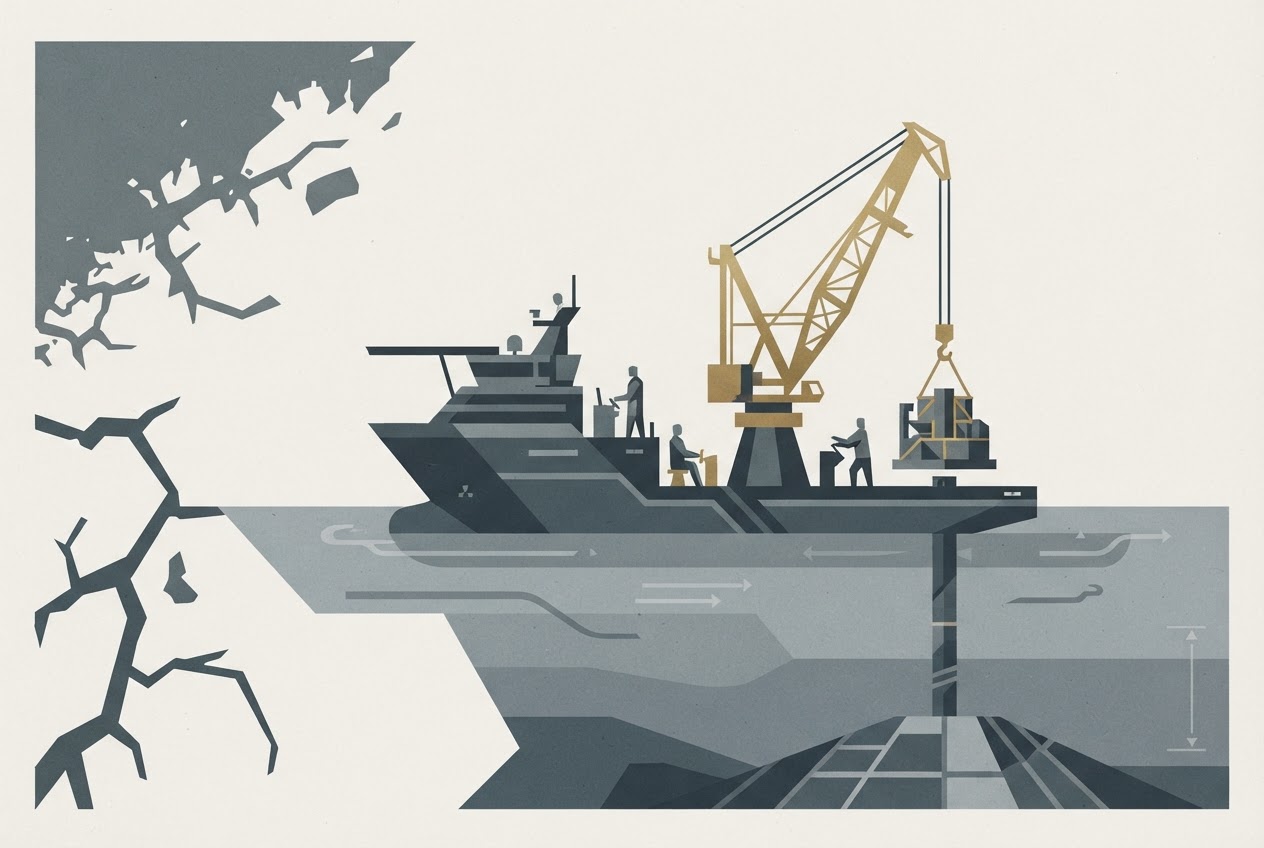
The system allows a capping stack to be deployed and lowered from a position away from the hazardous plume at the surface. According to the report, this gives operators another option in shallow water when lowering equipment directly from above is impractical or presents additional risks. Keeping the deployment position outside the plume is intended to improve safety for responding vessels and personnel. A capability ready for mobilisation can also make deployment planning more predictable when incorporated into existing emergency arrangements.
OSRL characterises subsea incidents as uncommon but potentially severe. An uncontrolled event can develop from a well-control problem into a wider emergency affecting workers, the environment, offshore activity, supply chains and public confidence. The report identifies the coordination of specialist equipment, ships, personnel and decisions under intense time pressure as another major challenge. It argues that preparation should therefore extend beyond technical source control to the broader operational response.
Norway provides access to established transport infrastructure and specialist logistics networks, but deployment elsewhere still requires detailed preparation. Constraints can include suitable vessel availability, aircraft capacity, customs procedures, port and airport facilities, regulatory permissions and access to specialist staff. OSRL says operators, response organisations, vessel providers, ports, authorities and technical experts need to establish workable mobilisation routes and test response strategies beforehand. Engineering studies, logistics plans, exercises and clearly assigned responsibilities are central to that process.
Digital modelling, simulations and data-led tools can support scenario testing, logistics analysis and quicker access to information, Hellenic Shipping News reported. They do not replace experienced responders, however. Decisions still require engineers and incident managers to weigh technical, environmental, operational and regulatory factors as conditions change, often with incomplete information.