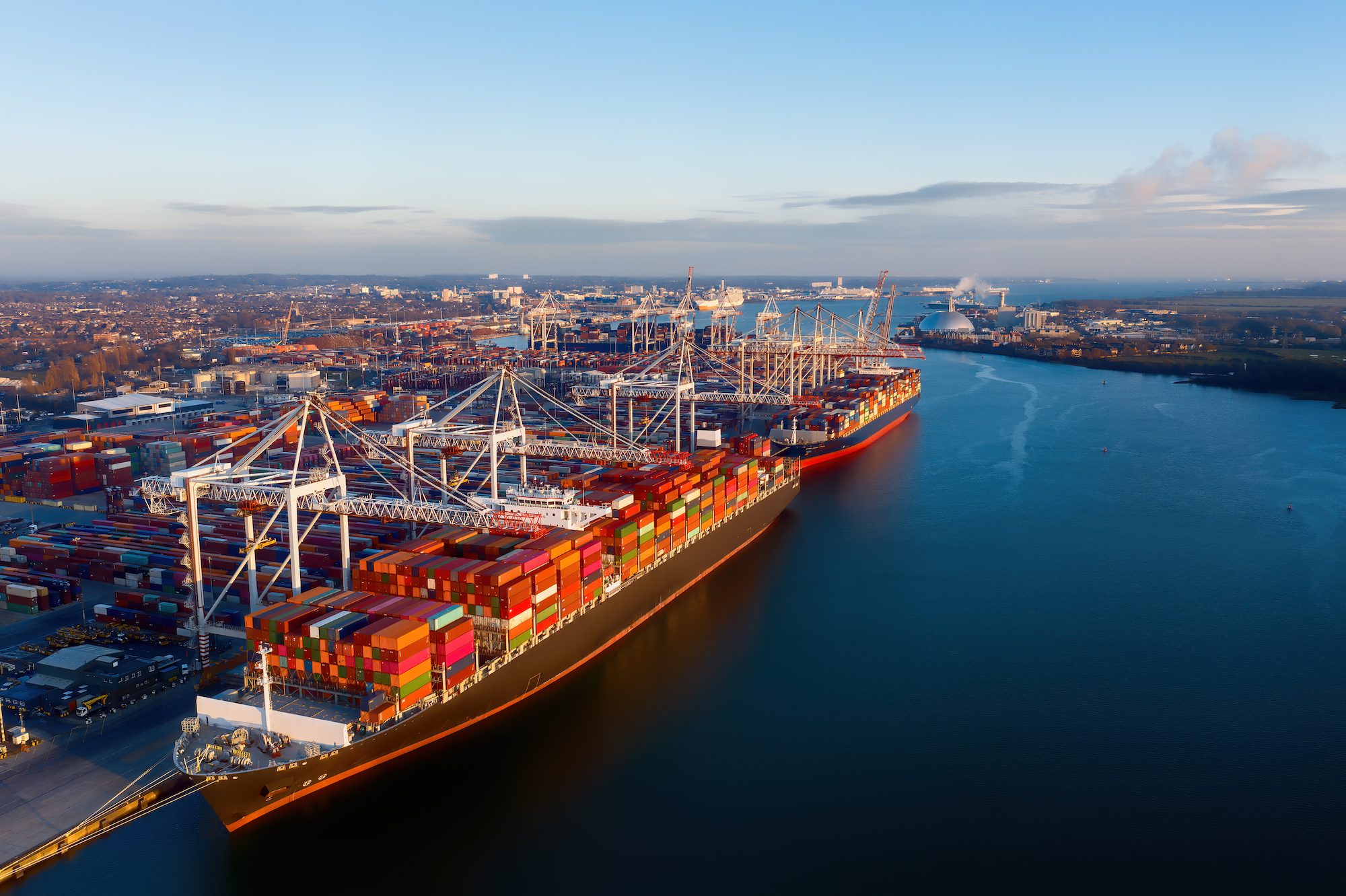
A fund managed by Australia’s IFM Investors has agreed to acquire a 63.9% controlling interest in Associated British Ports (ABP), the UK’s largest port operator, gCaptain reported. The agreement, announced on Wednesday, would transfer the combined holdings of two Canadian pension investors to the IFM-managed fund.
CPP Investments will sell its 33.9% interest, while OMERS will dispose of its 30% holding. The parties have not published the financial terms. According to gCaptain, Bloomberg cited a person familiar with the transaction as saying it valued ABP at about £10 billion ($13.4 billion). That figure represents the reported valuation of the company, rather than a disclosed price for the stake being acquired.
ABP’s network comprises 19 UK port facilities, including Southampton, Immingham and Hull. It handles roughly a quarter of British seaborne trade and supports more than half of the country’s offshore wind capacity, according to the report. The ownership change therefore covers a substantial part of the UK’s maritime trade infrastructure, alongside facilities serving its energy sector.
The operator’s recent investments include the Immingham Renewable Fuels Terminal, Green Port Hull and Southampton’s Horizon cruise terminal. IFM’s global head of infrastructure, Kyle Mangini, said the investment would back further development of ABP’s infrastructure and operations. ABP chief executive Henrik L. Pedersen welcomed the agreement as support for the business and its long-term plans, and said the company would seek further growth with IFM and its other shareholders.
IFM, owned by Australian pension funds and the UK’s Nest pension scheme, manages approximately £157 billion globally and already invests in port infrastructure internationally. The sellers have been shareholders for years: OMERS invested in 2006 and CPP Investments in 2015. Both said the disposal would release value from those investments and free capital for other opportunities.
Completion is expected in the first half of 2027. The acquisition still requires customary shareholder and regulatory clearances, including a national security review, gCaptain reported.